ENG
A UX case study focused on improving the player matching experience within a tennis app.
Challenge
Users were struggling to find players with a similar skill level, leading to frustrating matches and early churn. The onboarding flow did not properly calibrate expectations, and the level selection system lacked clarity.
Users were struggling to find players with a similar skill level, leading to frustrating matches and early churn. The onboarding flow did not properly calibrate expectations, and the level selection system lacked clarity.
My role
As a UX designer, I began by conducting a thorough usability and UI analysis to identify both strengths and friction points within the existing experience. After evaluating interaction patterns, visual hierarchy, and content clarity, I moved into user research, conducting interviews to validate assumptions and better understand how players perceived their skill level and matching expectations. Based on these insights, I restructured the onboarding flow, redesigned the level selection system, refined the UX writing, and developed interactive prototypes to validate the new interaction model through usability testing.
As a UX designer, I began by conducting a thorough usability and UI analysis to identify both strengths and friction points within the existing experience. After evaluating interaction patterns, visual hierarchy, and content clarity, I moved into user research, conducting interviews to validate assumptions and better understand how players perceived their skill level and matching expectations. Based on these insights, I restructured the onboarding flow, redesigned the level selection system, refined the UX writing, and developed interactive prototypes to validate the new interaction model through usability testing.
Impact & learnings
The redesigned flow simplified decision-making, reduced cognitive load, and improved clarity around level selection. This project reinforced the importance of aligning system logic with user perception—especially when dealing with self-assessment and expectations.
The redesigned flow simplified decision-making, reduced cognitive load, and improved clarity around level selection. This project reinforced the importance of aligning system logic with user perception—especially when dealing with self-assessment and expectations.
ESP
Caso de estudio enfocado en mejorar la experiencia de emparejamiento entre jugadores dentro de una app de tenis.
Desafío
Las personas usuarias tenían dificultades para encontrar jugadores de nivel similar, lo que generaba encuentros frustrantes y abandono de la app. El onboarding no cumplía las expectativas y el sistema de selección de nivel era poco claro.
Las personas usuarias tenían dificultades para encontrar jugadores de nivel similar, lo que generaba encuentros frustrantes y abandono de la app. El onboarding no cumplía las expectativas y el sistema de selección de nivel era poco claro.
Mi rol
Como UX designer, comencé realizando un análisis profundo de usabilidad y UI para identificar tanto aciertos como fricciones dentro de la experiencia existente. Tras evaluar patrones de interacción, jerarquía visual y claridad del contenido, avancé a la etapa de research, realizando entrevistas para validar hipótesis y comprender cómo las personas percibían su nivel y las expectativas de emparejamiento. A partir de estos insights, reestructuré el onboarding, rediseñé el sistema de selección de nivel, ajusté el contenido escrito y desarrollé prototipos interactivos para validar el nuevo modelo de interacción mediante testing de usabilidad.
Como UX designer, comencé realizando un análisis profundo de usabilidad y UI para identificar tanto aciertos como fricciones dentro de la experiencia existente. Tras evaluar patrones de interacción, jerarquía visual y claridad del contenido, avancé a la etapa de research, realizando entrevistas para validar hipótesis y comprender cómo las personas percibían su nivel y las expectativas de emparejamiento. A partir de estos insights, reestructuré el onboarding, rediseñé el sistema de selección de nivel, ajusté el contenido escrito y desarrollé prototipos interactivos para validar el nuevo modelo de interacción mediante testing de usabilidad.
Impacto y aprendizajes
El nuevo flujo simplificó la toma de decisiones, redujo la carga cognitiva y mejoró la claridad en la elección de nivel. Este proyecto reforzó la importancia de alinear la lógica del sistema con la percepción del usuario, especialmente cuando se trata de autoevaluación y expectativas.
El nuevo flujo simplificó la toma de decisiones, redujo la carga cognitiva y mejoró la claridad en la elección de nivel. Este proyecto reforzó la importancia de alinear la lógica del sistema con la percepción del usuario, especialmente cuando se trata de autoevaluación y expectativas.
ENG
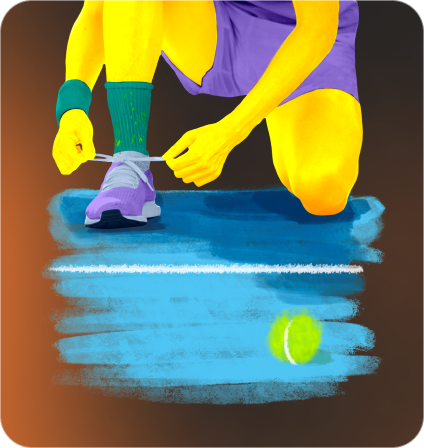
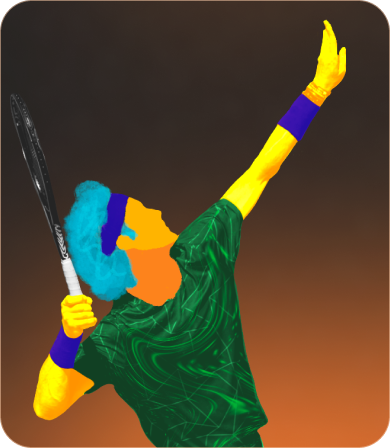
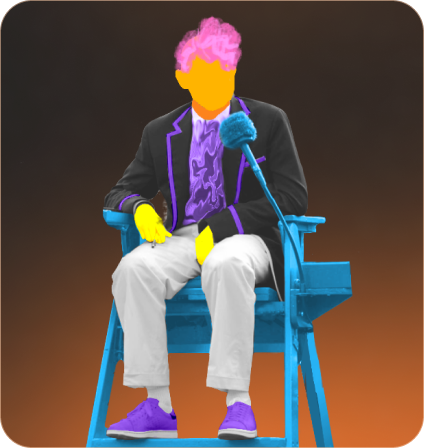
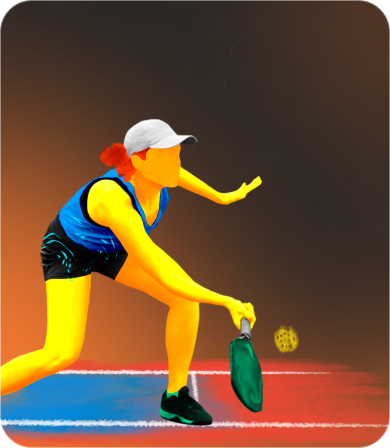
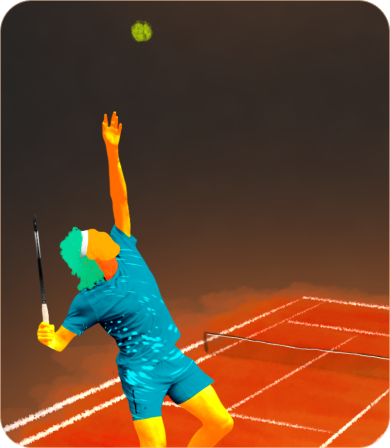
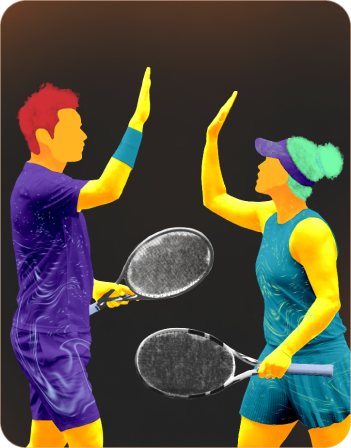
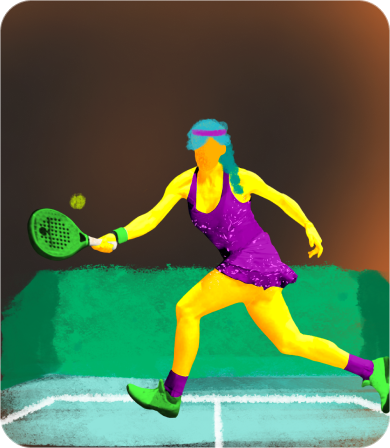
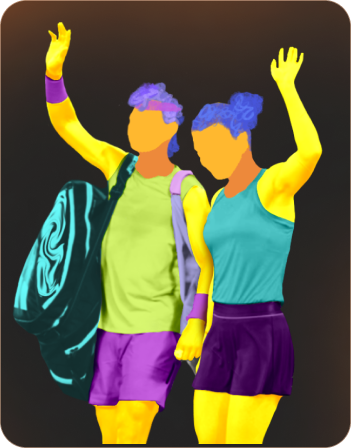
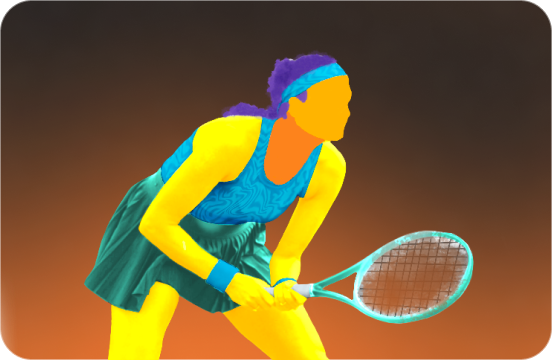
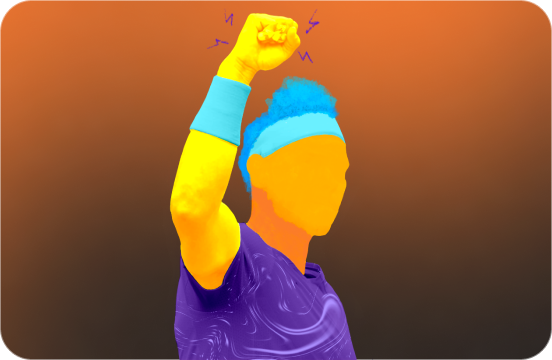
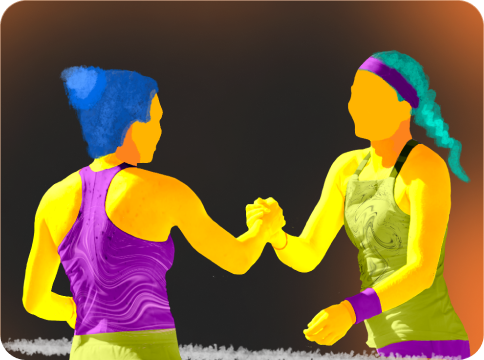
For the illustration system, I intervened existing photographs of real players to ensure authentic body language and credible athletic poses, avoiding the typical stock imagery of models who don’t quite know how to hold a racket.
As part of the visual intervention, I intentionally removed skin tones to eliminate bias and create a system that could scale across different countries and audiences. The use of bright, saturated colors was designed to convey the joy and informality of amateur matches—removing unnecessary formality and bringing the sense of play back into tennis, padel, and pickleball.
ESP
Para el sistema de ilustraciones, intervine fotografías existentes de jugadores reales con el objetivo de garantizar poses auténticas y lenguaje corporal creíble, evitando imágenes de stock de modelos que no saben cómo sostener una raqueta ni moverse en cancha.
Dentro de la intervención visual, eliminé los tonos de piel de forma intencional para reducir sesgos y permitir que el sistema pudiera escalar a distintos países y audiencias. El uso de colores brillantes y saturados fue pensado para transmitir la alegría y distensión de los encuentros amateurs, quitándole formalidad y devolviéndole el juego al tenis, pádel y pickleball.